
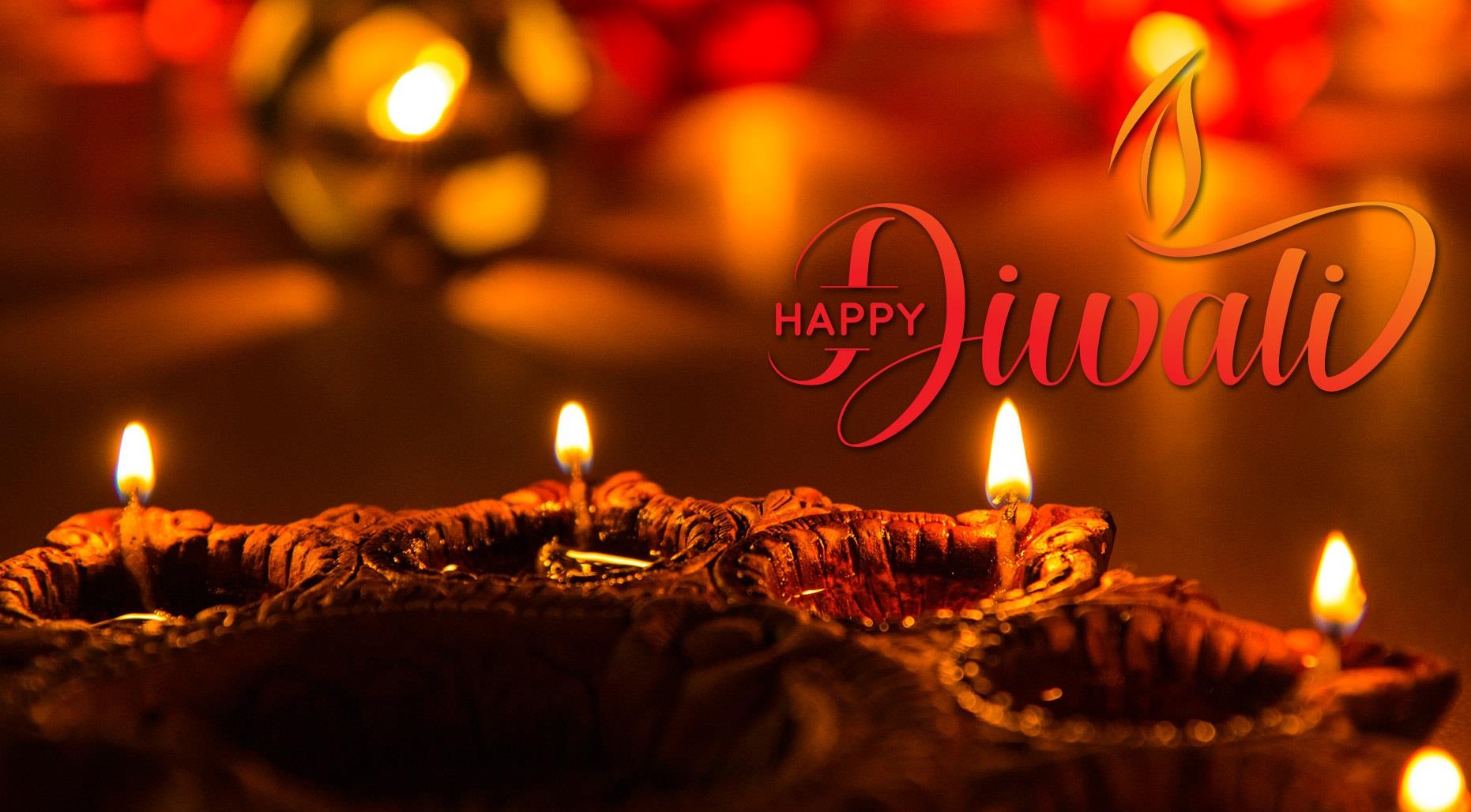
Diwali: Echoes Behind the Flame
Every year, millions of diyas flicker to life across India, and the world at this time of the year. But what if we told you those flames are actually more than simple decoration?
The First Diya: Lighting the Path for Ram’s Return
When Ram, Sita, Lakshman, and Hanuman returned to Ayodhya after fourteen long years in exile, the night was moonless. The city was cloaked in the darkness of Amavasya, but the people of Ayodhya refused to let darkness welcome their king.
They rushed into the streets, holding earthen lamps filled with oil and ghee. One by one, they lit the diyas, lining the roads, rooftops, and doorsteps until the whole kingdom shimmered like a river of stars.
Legends say that even the gods paused to watch this sight, of a city bathed in human devotion. That night became Diwali, and every Diya we light since is a symbol of Ram’s homecoming.
The Story Behind Every Diwali Diya: More Than Just Light
It begins softly, with a single flame.
The first diya comes alive just as twilight begins to fade. Its glow is gentle, but the feeling it gives out is like it remembers every Diwali that ever was. Around it, slowly, more diyas begin to wake. Some are on windowsills, some are by doorsteps, some are next to Tulsi plants, and some even at the corners of courtyards.
This is a practice that carries an echo through generations. Our parents lit diyas during Diwali, so did their parents, and so did their parents’ parents. This essentially tells us that Diwali is more than a festival where diyas are lit for decoration. This is a festival of connection.
In every city, in every village, families repeat the same custom of lighting diyas. Some use ghee to light their diyas, while some use oil. Some arrange them in a straight row, or several rows, some in circles, or even in heart shapes for aesthetic social media photographs.
However, the meaning behind the custom remains the same. Each diya is a silent rebellion against darkness, as well as a promise that good will outshine evil, and that hope still has a spark.
Perhaps that’s why Diwali feels timeless. Perhaps it’s because every flame we light during this festival carries the same intent our ancestors had, years ago, decades ago, centuries ago even. The intent to push back the shadows, both outside, and within.
Every Flicker Holds Centuries of Intention
Diwali, or Deepavali, is celebrated on Amavasya, the new moon night. The world outside is at its darkest, and so, humans illuminate their own little worlds with light. The diyas, or small earthen lamps aren’t there for beauty, some consider them symbols of goodness, purity, and the victory of light over darkness. Of course, this is also a reminder of the old saying, “It’s always the darkest before dawn”.
According to the Hindu belief, lighting diyas during Diwali brings blessings of health and prosperity. Many people believe that these diyas have a purpose. Some light them for their ancestors, some for peace, some for the goddess Lakshmi who blesses people with wealth, and some for Kuber, the deity of treasures.
Some even believe that lighting diyas ward off evil spirits.
Diwali Diyas: Symbols of Goodness, Prosperity, and Protection
In older times, homes would glow with lamps filled with ghee. The aroma would mix with the sounds of laughter, with sweets being made, and countless stories being told
In older times, homes would glow with lamps filled with ghee.
Today, the lamps may be electric, or scented candles might be a substitute for ghee diyas, but the purpose has not, and will not change; to invite good fortune and to welcome positivity.
Some also believe that diyas guard against negativity, and the act of lighting a diya will bring peace to the home. Many also believe it will heal what is broken, and ward off the evil eye, protecting their health, wealth, and even harmony.
Maybe that’s why we still do it. Even in a world of switches and screens, there’s something inherently human about lighting a diya. It definitely is simple, but it feels like magic.
So this Diwali, as millions of diyas flicker across homes, courtyards, and memories, pause for a moment to watch the light and feel its warmth. Think of everyone who once stood where you stand, lighting the same flame to drive away their darkness.
Let this Diwali not just be a festival you celebrate, but a feeling you carry, a reminder that even the smallest flicker of light can keep the longest night from lasting forever.
So, as you light a diya, think about this. If every diya carried centuries of tradition, how do we carry the same spirit in our lives today?
Let us know in the comments below
0 Comments